UK Hospitals Under Pressure as ‘Superflu’ H3N2 Cases Surge: Hospitals across the United Kingdom are facing mounting pressure due to a sharp surge in influenza cases, commonly being referred to as “superflu.” Health authorities report that flu-related hospital admissions have risen to over 3,100 patients per day, an 18% increase in just one week — levels not seen since the COVID-19 pandemic.
What Is Driving the Surge?
The outbreak is being driven primarily by Influenza A (H3N2), specifically a newly dominant K subclade. H3N2, first identified in 1968, is known for mutating rapidly and is often linked to more severe flu seasons.
According to data from the UK Health Security Agency (UKHSA) and the National Health Service (NHS), this year’s flu season arrived earlier and more aggressively than usual, coinciding with winter and increased respiratory infections.
Why H3N2 Is a Concern
Since August 2025, genetic sequencing has shown a rise in H3N2 strains belonging to the J.2.4.1 (K) subclade across several countries. While the World Health Organization (WHO) says there is no evidence yet of increased severity or mortality, the strain represents a significant evolutionary shift.
Experts note that this variant emerged after the current flu vaccine formulation was finalised, reducing vaccine effectiveness against H3N2 — though vaccines still offer important protection against severe illness.
What Experts Say
- Dr Shahid Jameel, virologist associated with the University of Oxford, said reduced vaccine match and lower vaccination rates have contributed to rising infections.
- Dr Ishwar Gilada, an infectious disease specialist, noted that increased social interactions, holiday-related healthcare visits, and healthcare staffing pressures may also be driving hospitalisations.
- Experts stress there is no current indication of higher mortality, though hospital admissions have risen sharply.
Symptoms to Watch For
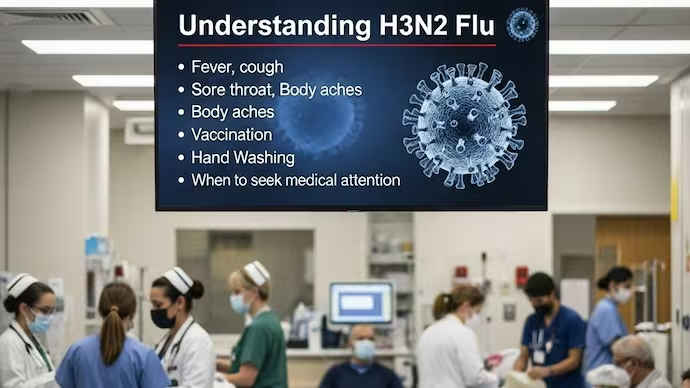
Common symptoms of H3N2 include:
- Extreme fatigue (often more pronounced than with common colds)
- Fever
- Cough and runny nose
- Body aches
- Vomiting or diarrhoea (in some cases)
High-risk groups include young children, older adults, pregnant women, and people with chronic conditions such as asthma, diabetes, heart disease, or weakened immunity.
Prevention and Vaccine Effectiveness
The WHO continues to recommend seasonal flu vaccination, especially for vulnerable groups. While current flu shots are estimated to be 35–40% effective in adults against H3N2, protection is significantly higher — up to 75% — in children and adolescents. Vaccination still reduces the risk of severe disease and hospitalisation.
Situation in India
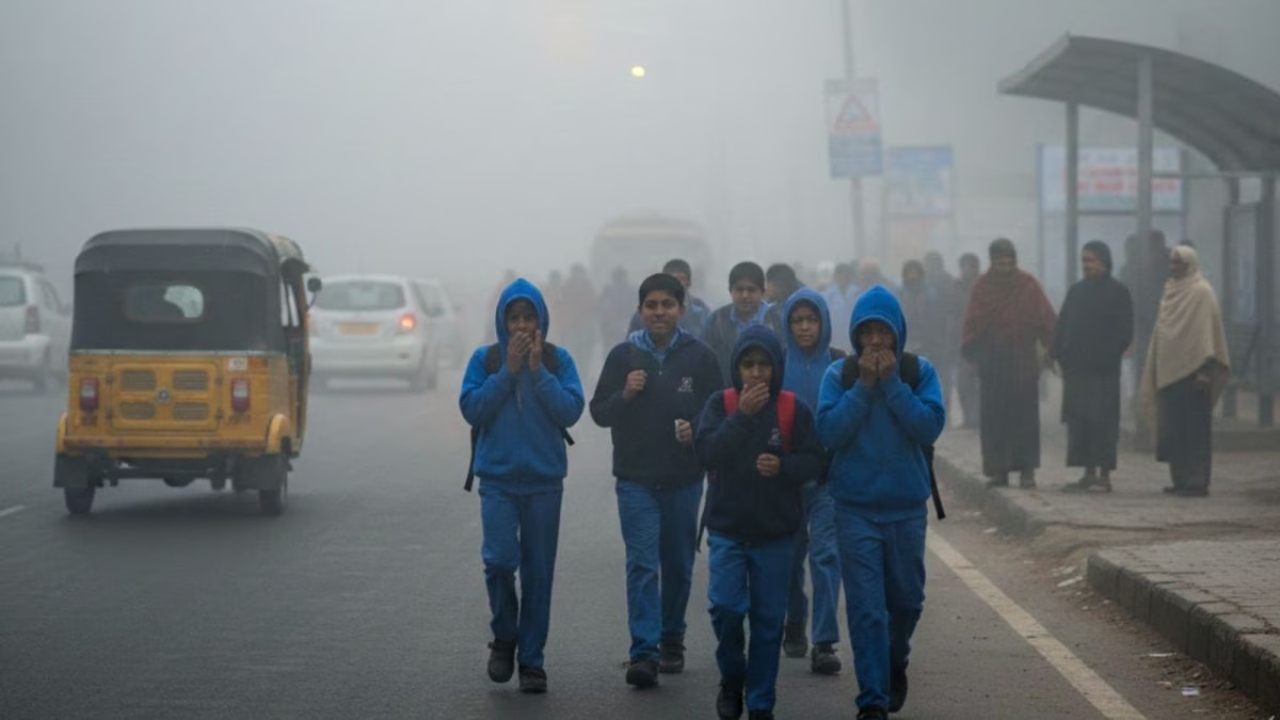
Indian health authorities are closely monitoring the situation. India typically experiences two flu peaks each year — January to March and post-monsoon. There is no unusual spike reported so far, but surveillance has been heightened. Flu vaccines, though not part of the universal immunisation programme, can reduce infection risk by up to 60% when taken.
Bottom Line
While the H3N2-driven “superflu” surge has strained UK hospitals, experts say panic is unwarranted. Vaccination, early care, and basic precautions remain key to reducing severe illness as flu activity rises globally.