When we talk about cool protagonists, especially in heroic stories, we often think in extremes: the silent, stoic loner versus the open, expressive idealist. In comic books, this contrast is best symbolized by Batman and Superman. Despite countless reinterpretations, Batman remains the brooding, tight-lipped vigilante, while Superman is the optimistic, approachable hero who smiles more often.
Superheroes by nature are theatrical and larger than life. As Margaret Atwood observed in In Other Worlds, their dual personalities—costumed saviors by night, ordinary citizens by day—naturally reflect Jungian archetypes. And while Batman is usually the go-to hero for psychological analysis, what about the brighter, more hopeful characters? Don’t Superman or Mr. Fantastic have just as much to say about the human condition?
This year, Hollywood seems to think so. With Superman (2025) and The Fantastic Four: First Steps, the era of dark, gritty superheroes has given way to something new: optimistic heroes with a rebellious streak of goofiness.
The Real Punk Rock of Superheroes: Kindness
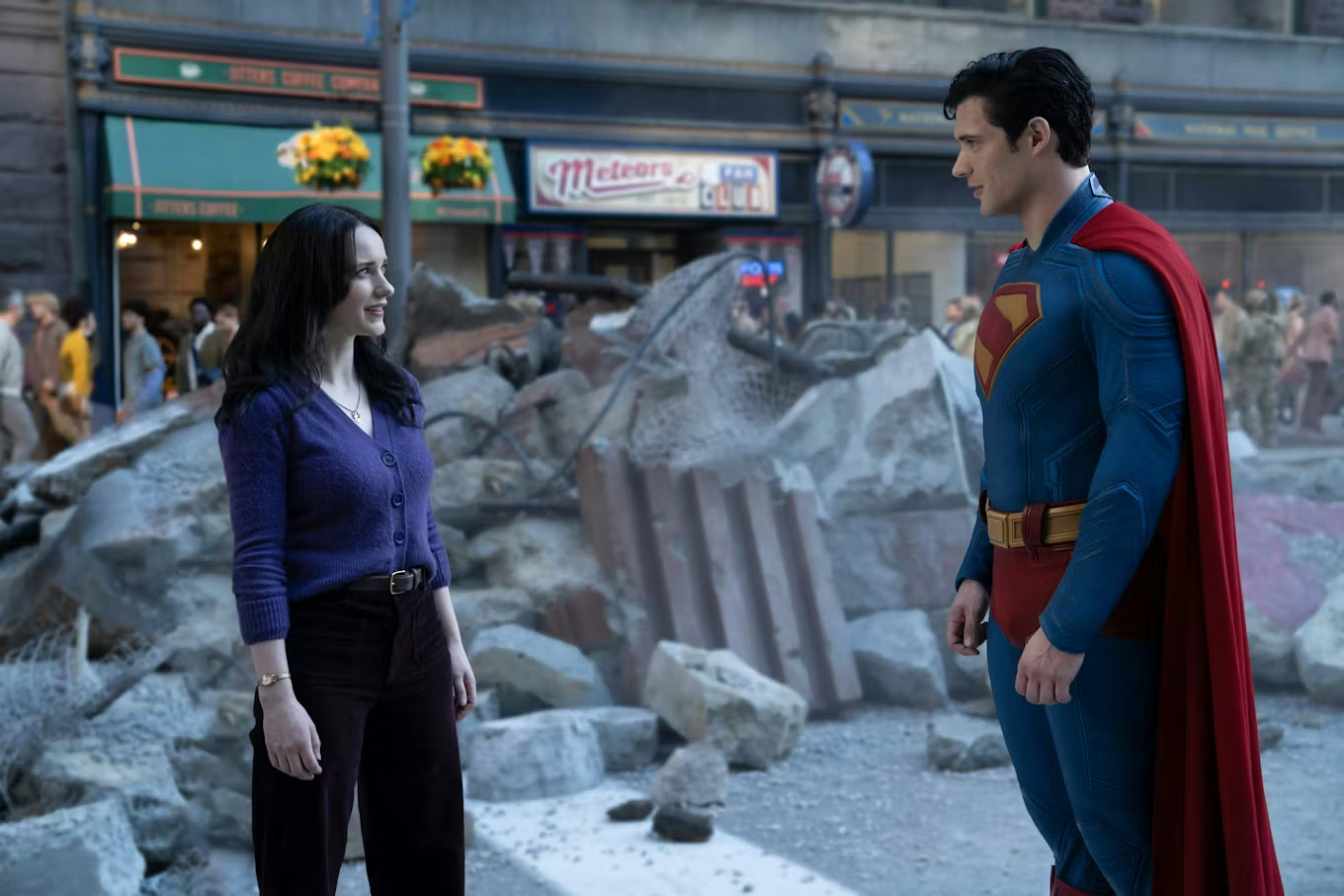
One moment in James Gunn’s Superman has already become iconic—the conversation between Clark Kent (David Corenswet) and Lois Lane (Rachel Brosnahan). When Lois tells Clark he’s “not punk rock,” she defines punk as questioning everything and never trusting anyone. Clark gently challenges her:
“Maybe that’s the real punk rock.”
Of course, Lois has a point. Historically, Superman has represented the establishment, not rebellion. In the 1930s he was a law-breaking vigilante who took down corrupt slumlords, but by the 1940s he transformed into the patriotic, government-friendly “Big Blue Boy Scout.” As Glen Weldon explains in Superman: The Unauthorized Biography, the war era softened Superman’s edges, turning him into a safe, symbolic hero “working alongside the police.”
So no—Superman has not been punk rock for nearly a century.
But Gunn’s 2025 version changes the equation. This Superman is technically outside the law again. He clashes with Lex Luthor, the U.S. government, the media, and nearly every major cultural institution in his world. Yet the interesting question isn’t “Is he punk rock because he breaks rules?”
It’s this:
Is kindness the new rebellion?
Gunn says the film isn’t an allegory for modern geopolitical conflicts, despite audience interpretations. But intentional or not, the film presents a new kind of anti-establishment energy—one based on optimism, warmth, and radical empathy.
The final scene, with Superman smiling as Iggy Pop & Teddybears’ “Punkrocker” plays, makes it clear:
Clark’s rebellion is kindness. His punk rock is hope.
This twist echoes the ending of the ’90s cult classic SLC Punk, where Stevo (Matthew Lillard), freshly shaved and dressed in a suit, says:
“You can do a helluva lot more damage in the system than outside of it.”
Superman understands this irony intuitively. His defiance comes not from rage, but from choosing to believe in people.
Kindness as the New Cool
Modern superhero films are redefining what makes a protagonist cool.
Not brooding isolation.
Not violent rebellion.
Not anti-hero cynicism.
But something simpler, and more radical:
A hero who chooses kindness in a world that rewards detachment.
In 2025, the coolest protagonists are the ones who dare to care—and that may be the most rebellious choice of all.